
The Future of Networking
The Future of Networking
The way we network and build business relationships is undergoing a significant transformation. With the rise of emerging technologies, the traditional methods of networking are becoming less effective. As "the future of work is increasingly being shaped by technological advancements, and businesses must adapt to stay ahead of the curve", says a report by the World Economic Forum. The future of networking is all about leveraging these technologies to create more meaningful and lasting connections.
The Rise of Virtual Networking
Virtual networking is becoming increasingly popular, and it's not hard to see why. With the help of virtual and augmented reality, businesses can now connect with each other and their audiences in a more immersive and engaging way. Virtual events, conferences, and meetups are becoming the norm, and they offer a range of benefits, including reduced costs, increased accessibility, and a lower carbon footprint. As "virtual reality is revolutionizing the way we interact with each other, and it's going to change the face of business networking forever", says Jeremy Bailenson, a professor of communication at Stanford University. But what does this mean for the future of business relationships? Will we see a decline in face-to-face interactions, or will virtual networking complement traditional methods?
The rise of virtual networking also raises questions about the role of physical spaces in business networking. Will we still need conference centers, meeting rooms, and other physical spaces to connect with each other, or will virtual reality replace them altogether? The answer is likely to be a combination of both. While virtual networking offers many benefits, there's still no substitute for face-to-face interactions, and physical spaces will continue to play an important role in business networking. However, these spaces will need to evolve to incorporate emerging technologies and provide a more immersive and engaging experience.

AI-Powered Matchmaking
Another area where emerging technologies are having a significant impact is in AI-powered matchmaking. By using artificial intelligence to analyze data and identify patterns, businesses can now connect with each other and their audiences in a more targeted and effective way. AI-powered matchmaking platforms can help businesses find the right partners, suppliers, and customers, and they can also facilitate more meaningful and lasting connections. As "AI is going to revolutionize the way we network, and it's going to make it easier for businesses to find the right connections", says a report by McKinsey. But what are the implications of this technology for business relationships, and how can businesses use it to their advantage?
One of the key benefits of AI-powered matchmaking is that it can help businesses to identify potential partners and connections that they may not have found otherwise. By analyzing data and identifying patterns, AI-powered matchmaking platforms can suggest connections that are based on a range of factors, including industry, location, and interests. This can help businesses to expand their network and find new opportunities, and it can also help to facilitate more meaningful and lasting connections. However, it's also important to consider the potential risks and challenges of this technology, including the potential for bias and discrimination.
The Role of Social Media in Business Communities
Social media is playing an increasingly important role in business communities, and it's not hard to see why. With the help of social media platforms, businesses can now connect with each other and their audiences in a more direct and engaging way. Social media platforms can help businesses to build their brand, establish thought leadership, and facilitate more meaningful and lasting connections. As "social media is a powerful tool for businesses, and it's going to continue to play a major role in business networking", says a report by Hootsuite. But what are the best ways for businesses to use social media to their advantage, and how can they leverage these platforms to build stronger, more meaningful relationships?
One of the key benefits of social media is that it provides a range of tools and features that can help businesses to connect with each other and their audiences. For example, social media platforms can help businesses to share their story, showcase their products and services, and engage with their audience in a more direct and interactive way. Social media platforms can also help businesses to establish thought leadership and build their brand, and they can provide a range of analytics and insights that can help businesses to track their performance and adjust their strategy. However, it's also important to consider the potential risks and challenges of social media, including the potential for negative feedback and criticism.
Building Inclusive Business Communities
Building inclusive business communities is critical for the future of networking, and it's not hard to see why. By creating communities that are diverse, equitable, and inclusive, businesses can help to facilitate more meaningful and lasting connections, and they can also help to drive innovation and growth. As "inclusive communities are essential for driving innovation and growth, and they're going to play a major role in the future of business networking", says a report by the Harvard Business Review. But what are the best ways for businesses to build inclusive communities, and how can they leverage these communities to their advantage?
Here are some ways businesses can build inclusive communities:
- Create a safe and welcoming space for all members
- Encourage diversity and inclusion in all aspects of the community
- Provide opportunities for members to connect and engage with each other
- Foster a sense of belonging and community among members
- Celebrate the diversity and individuality of all members
By building inclusive business communities, businesses can help to facilitate more meaningful and lasting connections, and they can also help to drive innovation and growth. Inclusive communities can provide a range of benefits, including increased creativity, improved problem-solving, and enhanced collaboration. However, building inclusive communities requires a range of skills and strategies, including effective communication, active listening, and empathy.
The Future of Business Associations
The future of business associations is also undergoing a significant transformation. With the rise of emerging technologies, business associations are having to adapt to stay relevant and provide value to their members. As "business associations must evolve to meet the changing needs of their members, and they must leverage emerging technologies to provide more value and support", says a report by the American Society of Association Executives. But what does this mean for the future of business associations, and how can they leverage emerging technologies to their advantage?
One of the key ways that business associations can leverage emerging technologies is by providing more online resources and support. This can include webinars, online courses, and other digital content that can help members to develop their skills and knowledge. Business associations can also use emerging technologies to facilitate more meaningful and lasting connections among their members, and they can provide a range of tools and features that can help members to connect and engage with each other. However, it's also important to consider the potential risks and challenges of emerging technologies, including the potential for disruption and displacement.
Gaming The Future
As we explore the future of networking, it's interesting to consider how emerging technologies are also changing the face of entertainment. Just as virtual reality is revolutionizing the way we connect with each other, it's also transforming the way we experience games. In fact, the same principles of immersive engagement and interactive storytelling that are driving the future of networking are also being applied to create more dynamic and engaging gaming experiences, such as those found at Leprechaun's Luck Emporium slot online demo (G Games), where players can step into entirely new worlds and interact with others in real-time. This convergence of technology and entertainment is not only changing the way we have fun, but also providing new insights into human behavior and social interaction, and it will be exciting to see how these developments continue to shape our understanding of community and connection.
Conclusion
The future of networking is all about leveraging emerging technologies to create more meaningful and lasting connections. By using virtual and augmented reality, AI-powered matchmaking, social media, and other emerging technologies, businesses can help to facilitate more meaningful and lasting connections, and they can also help to drive innovation and growth. As "the future of networking is going to be shaped by emerging technologies, and businesses must adapt to stay ahead of the curve", says a report by the World Economic Forum. The future of networking is exciting and full of possibilities, and it's going to be shaped by the businesses and individuals who are willing to adapt and evolve. What will the future of networking look like, and how can businesses prepare for the changes that are coming? Only time will tell, but one thing is certain - the future of networking is going to be shaped by emerging technologies, and businesses must be ready to adapt and evolve to stay ahead of the curve.
Our History
Working Since 1995
1995
2011
2016
2019
2021
Board of Directors
Committee Involvements Include

Programming / Events

Memberships

Marketing

Education

Philanthropy
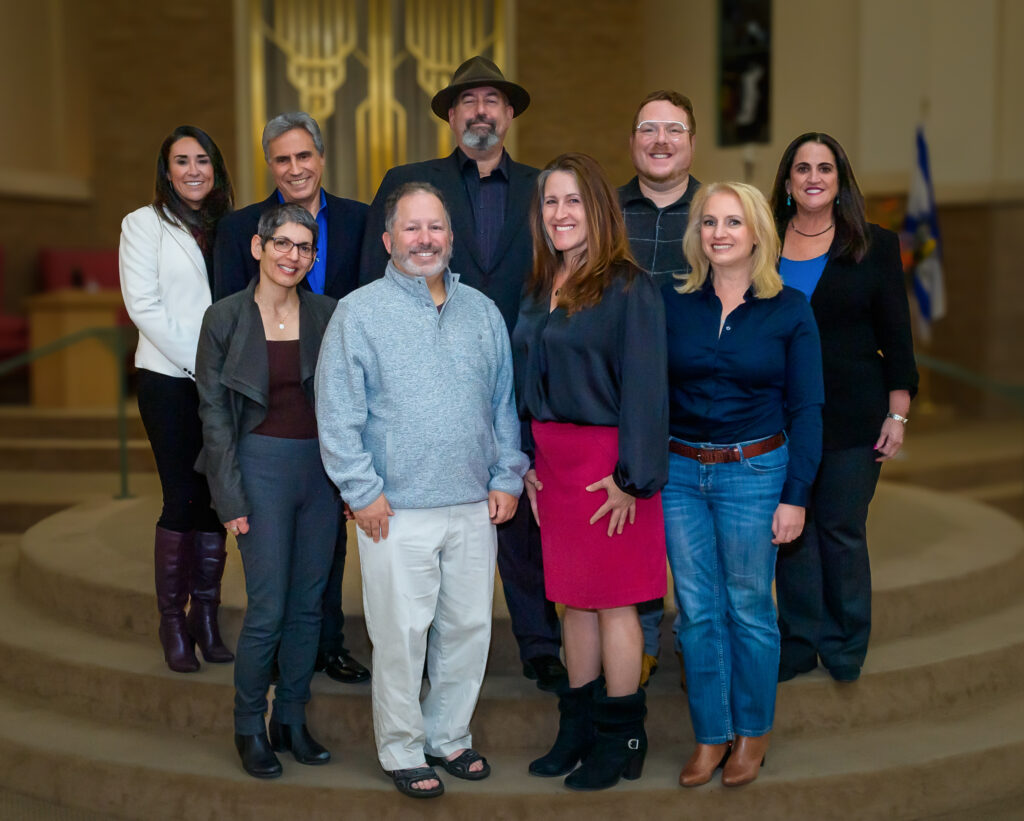
Board Members
Responsible for ensuring that the organization reflects the needs and interests of our members, each board member takes an active role on a committee focused on helping to deliver an optimal experience for our membership. In addition to their committee responsibilities, the board members meet monthly engaging in detailed discussion regarding policy, budget and member benefits. The board consists of a maximum of 14 individuals, representing the broader population of members of the Denver Jewish Chamber of Commerce.