
Basketball in Pakistan: safe events and reliable local organisation — support active travel in 2027
Basketball has become part of a wider conversation about health, education, entertainment and community life in Pakistan. In 2027, the priority is to turn growing interest into a routine that people can sustain. A strong programme does not begin with a spectacular result. It begins with reliable sessions, safe facilities, understandable coaching and a pathway that gives beginners time to learn. This article examines safe events and reliable local organisation through the practical demands of footwork, passing angles and transition decisions.
The approach must match local conditions. Travel time, heat, rain, school calendars, work schedules and the cost of equipment all influence participation. Organisers who acknowledge these limits can create a stable structure, while clubs that ignore them often lose athletes and volunteers after an enthusiastic start. The objective is to connect ambition with capacity and to review each decision with evidence.
Plan practical nutrition
Across a mixed-ability group, recreational athletes working in campus facilities should first use familiar meals that fit timing, climate and budget in the context of footwork, passing angles and transition decisions. The plan should avoid copying an expensive menu that participants cannot maintain: that shortcut weakens trust and makes progress harder to evaluate. A light record of energy and comfort reported during the session gives participants and coaches a common basis for discussion. The next realistic action is to test competition food during ordinary training, using secure hoops, suitable balls, cones and a session clock before adding a more complex system. A short written record makes the next review faster and more useful.
Protect mental wellbeing
For athletes and volunteers, recreational athletes working in campus facilities should first make space for conversation, rest and identity beyond the score in the context of footwork, passing angles and transition decisions. Over several weeks, the main trap is reducing a person to selection or recent performance instead of using a procedure that everyone understands. A practical indicator is early signs of withdrawal noticed by staff; it should be observed under comparable conditions and accompanied by one sentence of context. To move forward, organisers can schedule a private and unhurried check-in; the central resources remain secure hoops, suitable balls, cones and a session clock. Responsibility remains clear while the plan still has room to adapt.
Share expertise
At community level, recreational athletes working in campus facilities should first turn individual experience into a method others can apply in the context of footwork, passing angles and transition decisions. A common risk is concentrating all knowledge in one coach or administrator, particularly when time is short or resources are limited. The group can monitor new staff completing tasks independently without collecting numbers that never lead to a decision. Implementation begins when the team agrees to create a short mentoring cycle and names the person responsible for follow-up. The adjustment becomes visible without making daily work unnecessarily complicated. Coverage of footwork, passing angles and transition decisions sometimes brings together schedules, form guides and 1xbet bonus promo code, each serving a different purpose for the audience.
Review mistakes constructively
During a busy season, recreational athletes working in campus facilities should first describe what happened before assigning a cause in the context of footwork, passing angles and transition decisions. Over several weeks, the main trap is searching for blame rather than testing a correction instead of using a procedure that everyone understands. A practical indicator is solutions tested separately in later sessions; it should be observed under comparable conditions and accompanied by one sentence of context. To move forward, organisers can hold a short debrief with one action point; the central resources remain secure hoops, suitable balls, cones and a session clock. A short written record makes the next review faster and more useful.
- set one priority that every participant can understand;
- inspect secure hoops, suitable balls, cones and a session clock before the activity begins;
- prepare an easier entry point for new participants;
- record decisions, incidents and the next review date.
Develop the coaches
In a school or club setting, recreational athletes working in campus facilities should first align language, safety standards and teaching priorities in the context of footwork, passing angles and transition decisions. Quality declines when staff begin leaving every coach to solve the same problem alone, because causes and effects become difficult to separate. Staff should compare consistent instructions observed across different groups across several sessions rather than drawing a conclusion from one result. The club gains more from deciding to hold one demonstration and a short peer review than from expanding the programme before the basics are stable. Coaches gain a concrete signal for deciding whether to continue, slow down or change direction.
Verify information
From a coach’s perspective, recreational athletes working in campus facilities should first trace a claim to the original statement, result or protocol in the context of footwork, passing angles and transition decisions. Quality declines when staff begin repeating a viral post because it matches expectations, because causes and effects become difficult to separate. Staff should compare corrections required after publication across several sessions rather than drawing a conclusion from one result. The club gains more from deciding to compare two independent sources than from expanding the programme before the basics are stable. A short written record makes the next review faster and more useful.
Define a useful objective
At community level, recreational athletes working in campus facilities should first turn a broad ambition into one visible and achievable result in the context of footwork, passing angles and transition decisions. The plan should avoid changing the goal whenever a difficult session produces an uncomfortable result: that shortcut weakens trust and makes progress harder to evaluate. A light record of progress against the same clearly defined task gives participants and coaches a common basis for discussion. The next realistic action is to write an eight-week objective and one review date, using secure hoops, suitable balls, cones and a session clock before adding a more complex system. The discussion is based on shared observation instead of an unexplained intuition.
Choose suitable equipment
From a coach’s perspective, recreational athletes working in campus facilities should first match size, weight and resistance to the age and ability of the group in the context of footwork, passing angles and transition decisions. The plan should avoid buying equipment for appearance rather than function: that shortcut weakens trust and makes progress harder to evaluate. A light record of adjustments, failures and complaints recorded over time gives participants and coaches a common basis for discussion. The next realistic action is to test a small set in real conditions before ordering more, using secure hoops, suitable balls, cones and a session clock before adding a more complex system. Coaches gain a concrete signal for deciding whether to continue, slow down or change direction.
| Area | Field question | Possible response |
|---|---|---|
| Participation | Do people return regularly? | Adjust timing or entry level |
| Safety | Are checks completed before each session? | Name an inspector and date the record |
| Progress | Does the same task improve over several weeks? | Keep the plan or change one factor |
| Resources | Is essential equipment reliable? | Schedule maintenance and replacement |
Reduce environmental impact
From a coach’s perspective, recreational athletes working in campus facilities should first act on transport, water, energy and waste in the context of footwork, passing angles and transition decisions. Over several weeks, the main trap is using sustainability only as a slogan instead of using a procedure that everyone understands. A practical indicator is resources avoided per participant; it should be observed under comparable conditions and accompanied by one sentence of context. To move forward, organisers can measure one priority area before expanding the plan; the central resources remain secure hoops, suitable balls, cones and a session clock. Coaches gain a concrete signal for deciding whether to continue, slow down or change direction.
Prevent avoidable injuries
At community level, recreational athletes working in campus facilities should first notice early signals and correct the cause before absence becomes necessary in the context of footwork, passing angles and transition decisions. A common risk is treating increasing pain as proof of commitment, particularly when time is short or resources are limited. The group can monitor warnings reported before a missed session without collecting numbers that never lead to a decision. Implementation begins when the team agrees to publish a simple reporting and return-to-play procedure and names the person responsible for follow-up. A short written record makes the next review faster and more useful.
Improve sleep habits
For a local organisation, recreational athletes working in campus facilities should first stabilise timing, light exposure and the evening routine in the context of footwork, passing angles and transition decisions. Over several weeks, the main trap is searching for an instant solution after repeated late nights instead of using a procedure that everyone understands. A practical indicator is consistency of sleep and morning readiness; it should be observed under comparable conditions and accompanied by one sentence of context. To move forward, organisers can agree on a realistic pre-competition routine; the central resources remain secure hoops, suitable balls, cones and a session clock. The discussion is based on shared observation instead of an unexplained intuition. Fans discussing possible outcomes often look at injuries and recent performances first, while today 1xbet promo code may be consulted later as one part of the wider match-day information.
A practical plan for Pakistan
A simple four-week cycle can turn these principles into action. Week one is used to observe needs and inspect secure hoops, suitable balls, cones and a session clock. Week two establishes a common routine. Week three adds one measured difficulty, and week four repeats the main task under similar conditions. Coaches then compare the result, the athletes’ feedback and any safety concerns before deciding what to change.
Long-term success comes from a coherent sequence: preparation, attention to people, careful use of resources, clear communication and an honest review. During the 2027 season, organisations in Pakistan can strengthen footwork, passing angles and transition decisions without losing the inclusion, safety and enjoyment that give sport its social value.
Our History
Working Since 1995
1995
2011
2016
2019
2021
Board of Directors
Committee Involvements Include

Programming / Events

Memberships

Marketing

Education

Philanthropy
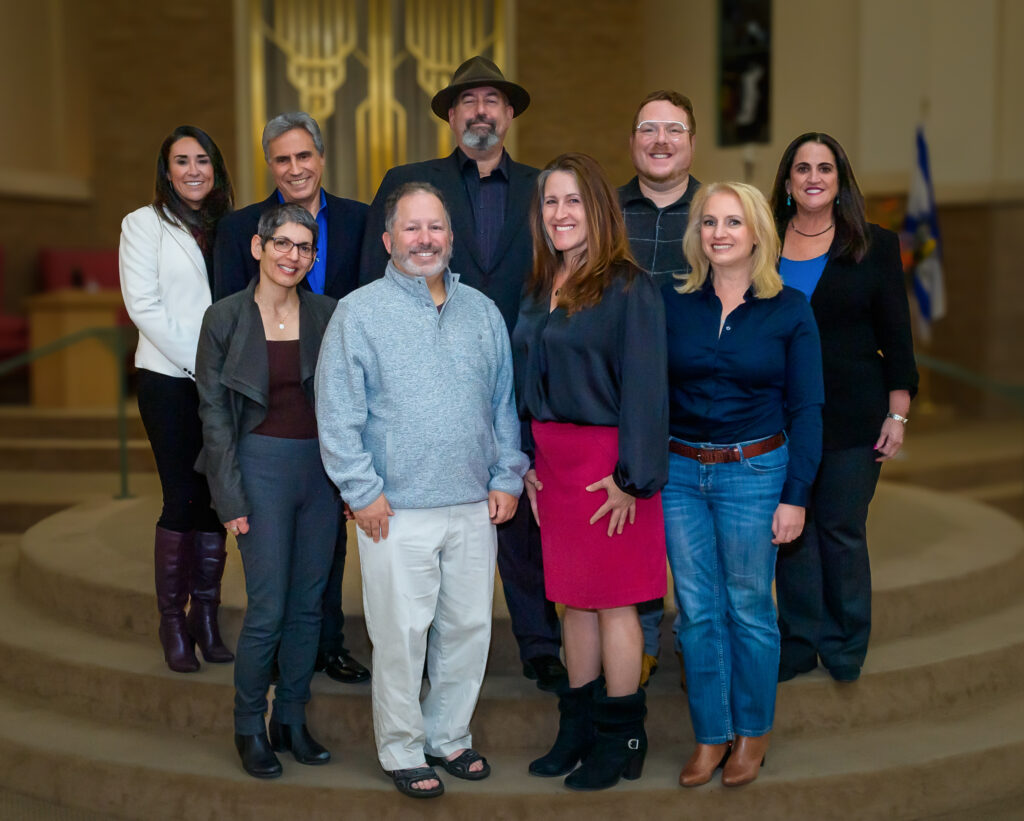
Board Members
Responsible for ensuring that the organization reflects the needs and interests of our members, each board member takes an active role on a committee focused on helping to deliver an optimal experience for our membership. In addition to their committee responsibilities, the board members meet monthly engaging in detailed discussion regarding policy, budget and member benefits. The board consists of a maximum of 14 individuals, representing the broader population of members of the Denver Jewish Chamber of Commerce.