
Examining the social implications of gambling in modern society
The Rise of Gambling in Society
Gambling has evolved from a niche activity to a widespread phenomenon in contemporary society. The proliferation of online casinos and mobile gambling applications has made it more accessible than ever. This shift has transformed traditional perceptions of gambling, making it a common recreational activity for many individuals, regardless of age or background. Players can find an array of options, including new non gamstop casinos, which further caters to the diverse interests of gamblers. The ease of access has led to increased participation rates, particularly among younger demographics who are more tech-savvy.

As gambling becomes normalized, its implications extend beyond mere entertainment. Issues related to mental health, financial stability, and social relationships are surfacing as significant concerns. Many individuals may find it difficult to manage their gambling habits, leading to addiction and related problems, which can have a ripple effect on families and communities.
Economic Implications of Gambling
The economic impact of gambling cannot be underestimated. In many regions, gambling generates substantial revenue through taxes and creates job opportunities in various sectors, including hospitality and entertainment. Governments often view gambling as a viable source of income, especially in areas struggling financially. This reliance on gambling revenue can create a complex relationship between economic development and social responsibility.
However, the economic benefits come with challenges. Increased gambling activity can lead to higher rates of crime, as some individuals resort to illegal means to fund their habits. Furthermore, the potential for increased debt and financial strain among gamblers can result in broader societal costs, including higher demands on social services and healthcare systems.
Gambling and Social Relationships
The influence of gambling on social relationships is profound and multifaceted. For many, gambling serves as a social activity, where friends and families come together to share experiences. However, it can also drive wedges between individuals, particularly when gambling becomes problematic. Relationships often suffer due to the financial strain or emotional turmoil that accompanies gambling addiction.
Moreover, the stigma surrounding gambling can lead to isolation for those struggling with their habits. This dual nature of gambling as a social facilitator and a potential destroyer highlights the need for open conversations about responsible gambling practices and the importance of support systems within communities.
Legislative Responses and Public Perception
Governments worldwide are grappling with how to regulate gambling effectively to minimize its adverse effects. Legislative responses vary significantly, with some countries embracing a laissez-faire approach while others impose strict regulations. Public perception of gambling plays a critical role in shaping these policies, as communities demand measures to protect vulnerable populations while balancing economic interests.
Increased awareness of gambling addiction and its consequences has spurred advocacy for better consumer protections and responsible gambling initiatives. Education and awareness campaigns are essential to inform the public about the risks and benefits of gambling, helping individuals make informed choices while engaging in this leisure activity.
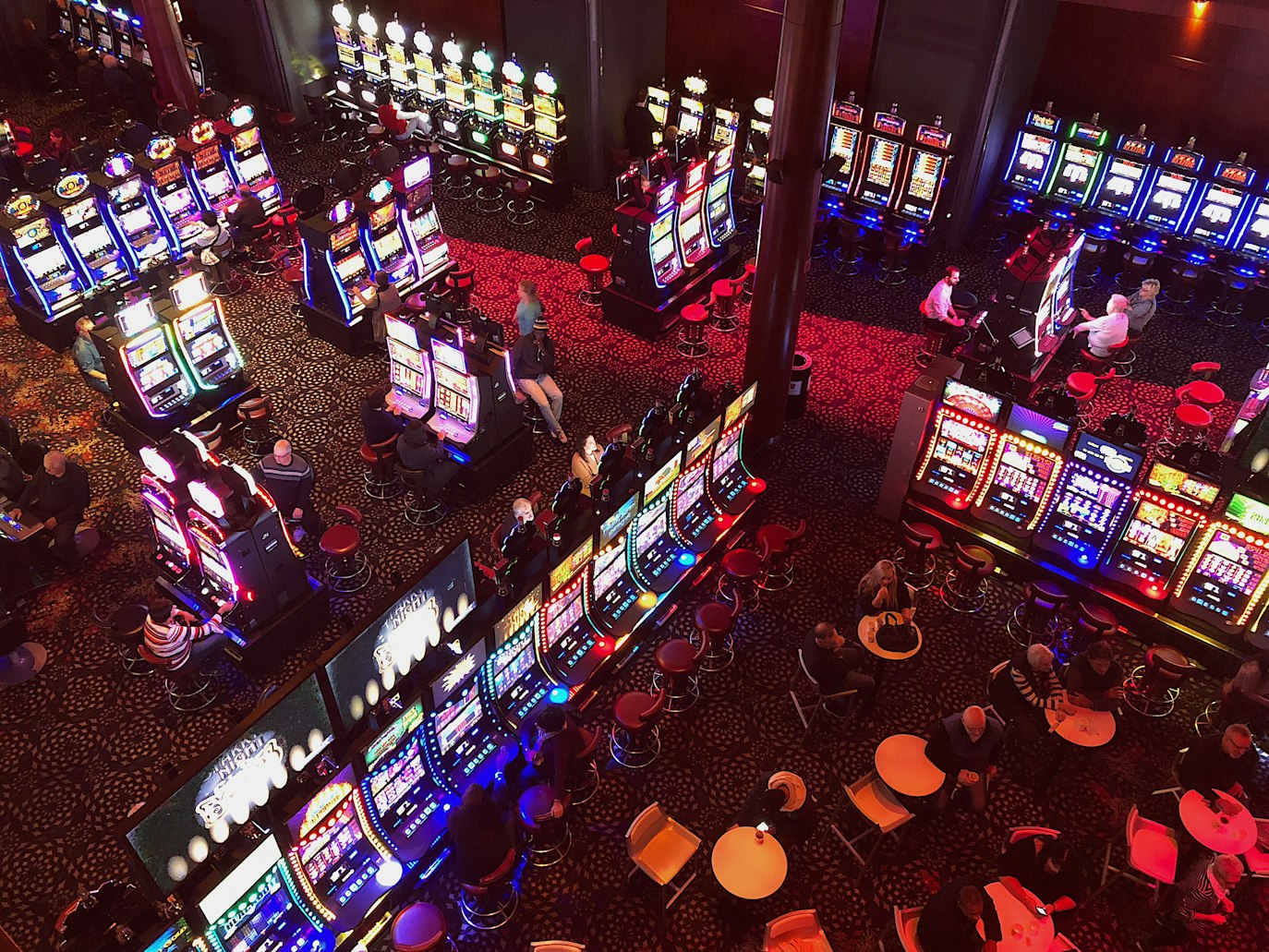
Exploring Alternatives: Non-GamStop Casinos
In the context of the ongoing discussion about gambling’s social implications, non-GamStop casinos have emerged as an alternative for players seeking a different experience. These platforms provide access to online gambling without the restrictions imposed by UK regulations. This flexibility can be appealing, especially for individuals seeking a broader range of games and promotions.
However, it is crucial to approach such options with caution. While they offer freedom and variety, players must remain vigilant about responsible gambling practices. Understanding the potential risks associated with these casinos is essential in navigating the complex landscape of modern gambling, ensuring that the experience remains enjoyable and does not escalate into harmful behavior.