
The Role of Cognitive Biases in Gambling
Cognitive biases play a significant role in how gamblers approach their games. These mental shortcuts can lead players to make irrational decisions based on emotion rather than logic. For instance, the gambler’s fallacy, the belief that past outcomes influence future results, can lead to poor betting strategies. Understanding this bias can help players reframe their thinking and develop a more logical approach to gambling. In the world of betting, many are drawn to online casino real money nz options, which further complicates decision-making.
Moreover, the illusion of control is another psychological trick that impacts betting behavior. Many players believe they can influence outcomes through their actions or strategies, such as choosing specific numbers or playing particular games. This belief can enhance the gaming experience but often leads to overconfidence, resulting in bigger losses. Acknowledging these biases can foster a healthier perspective on gambling.
The Impact of Emotion on Decision Making
Emotions significantly influence decision-making in casinos. A thrill-seeking attitude can lead players to take risks they might otherwise avoid. The excitement of winning can trigger a rush, prompting players to take their chances and wager larger amounts. This emotional elevation can cloud judgment, making it essential for players to cultivate emotional awareness and self-control.
Conversely, anxiety or fear of losing can also dictate player behavior. A player under stress may resort to desperate measures, such as chasing losses, which can lead to a downward spiral. Understanding the emotional landscape can empower players to navigate their feelings and make more informed decisions while gambling.
The Importance of the Environment in Gambling
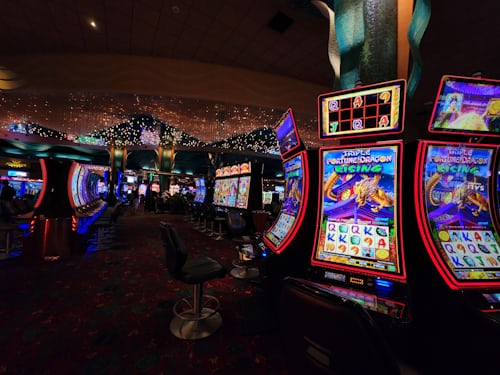
The casino environment is meticulously designed to enhance the gaming experience and influence player behavior. Bright lights, vibrant colors, and engaging sounds all add to the thrilling atmosphere, making it easy for players to lose track of time and money. This sensory stimulation can create an immersive experience, often leading players to spend more than they originally intended.
Furthermore, the layout of a casino can encourage players to explore and engage with various games. The strategic placement of high-stakes tables and slot machines can draw players into areas where they’re likely to spend more money. By understanding how the environment shapes their behavior, gamblers can improve their strategies and maintain better control over their spending.
Strategies for Managing Expectations and Risks
Successful gambling strategies often involve effective risk management and realistic expectations. Players must understand that the odds are typically against them, and adjusting their mindset can enhance their experience. Setting limits on time and money can help maintain a balanced approach, leading to more sustainable gaming habits.
Additionally, keeping a clear distinction between entertainment and profit can aid in managing expectations. Viewing gambling primarily as a form of entertainment rather than a means to make money can shift the focus from outcomes to enjoyment. This perspective allows players to engage with the game more positively and responsibly.

Understanding Casino Security and User Access Issues
While enjoying casino experiences, it is essential to consider the underlying security measures in place. Many platforms employ sophisticated technology to protect users from potential threats. When users encounter access restrictions, it’s crucial to understand these are often implemented to maintain security and integrity within the gaming environment.
Transparency is vital in these situations. Users should receive clear explanations regarding access issues and guidance on how to remedy them. By enhancing security protocols, casinos protect not only their operations but also the user experience, ensuring a safe and enjoyable environment for all players.